Our treatment & rehabilitation facilities
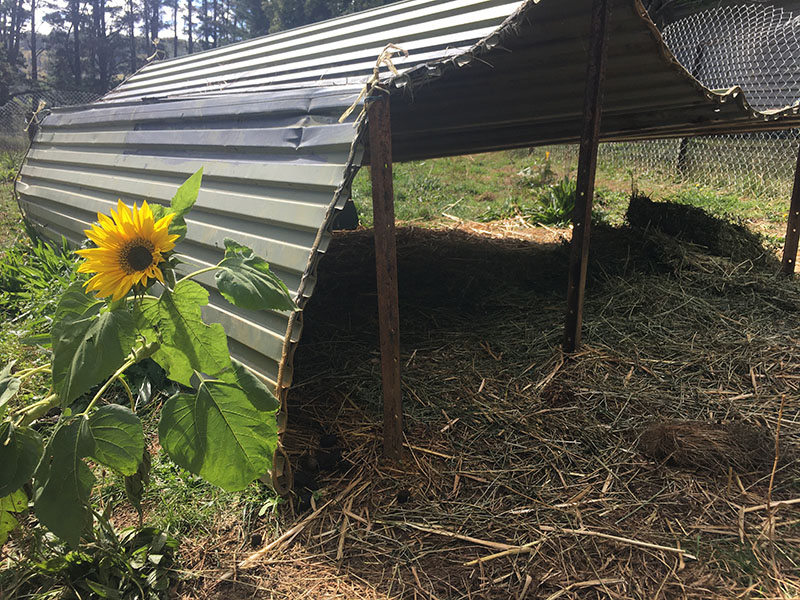
Pre-Release Compounds for Wombats
It’s so important that teenage wombats have their own burrow in their pre-release pen so they can remain cool, protected, safe and demonstrate natural behaviours such as digging. They are far too vulnerable without a burrow.
Important collaborative work
Wombatised treatment and rehabilitation facility.
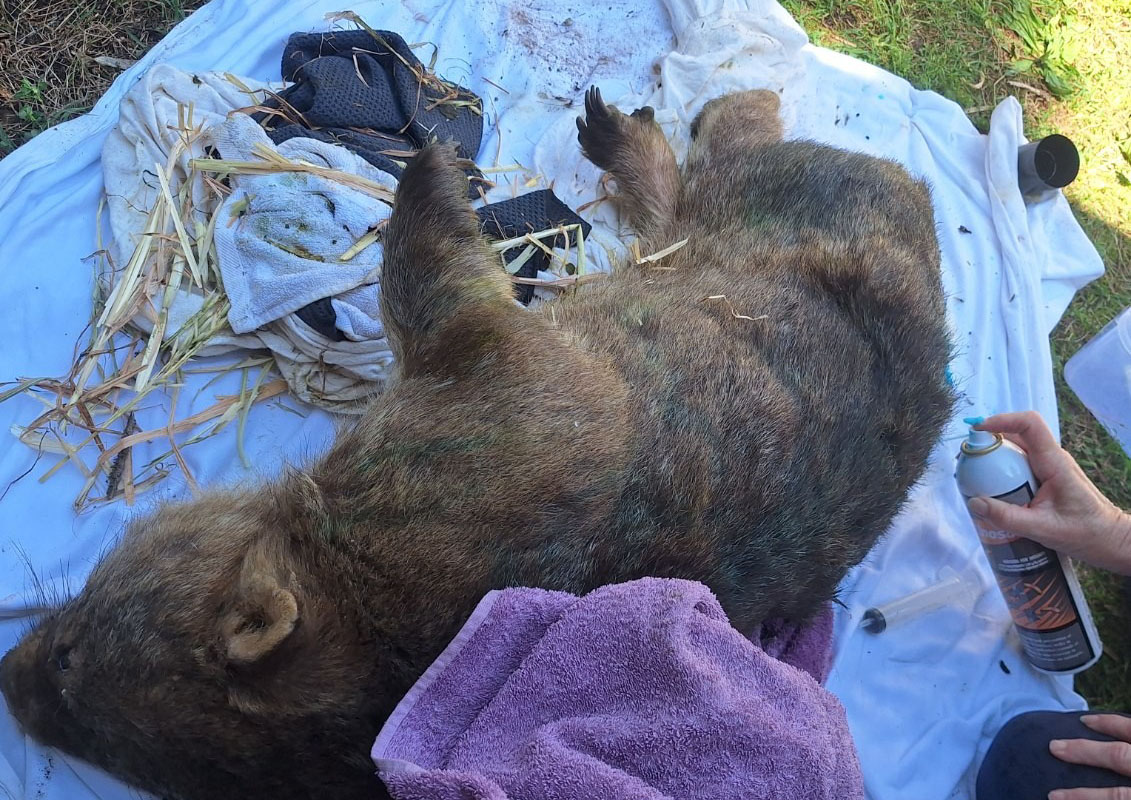
On 29 October 25 John Creighton delivered a very sick emaciated adult wombat who was suffering from territory bites and being flyblown. See how we helped rehabilitate this injured animal.
WOMBATS AUSTRALIA
Co-existing with Wild Wombats in Australia
An interview with Andy McLeod
Do you want to help wild wombats?
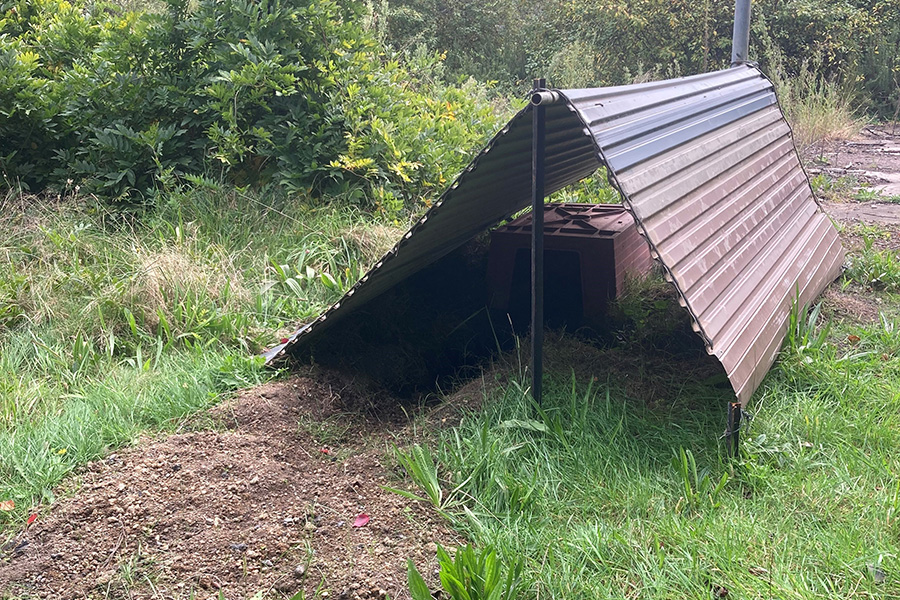
How to encourage a Wombat onto your property
Wombat Burrows are a little bit like each room of our house. Some rooms are meant for a nursery, others are meant for dining, (close access great grazing land and water) others serve as a bedding chamber….
Animal rescue cooperative
How much is a Koala worth?
Check out this post from ARC about the disturbing facts behind environmental offsets and construction…
ifaw wildlife rescue app
Save Wildlife from your phone!
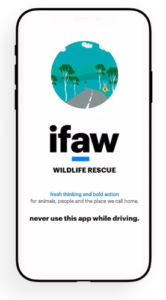 The IFAW Wildlife Rescue App is joint initiative by the International Fund for Animal Welfare, (IFAW) and the NSW Wildlife Council (NWC). This helpful App identifies the closest licensed wildlife rescue group to where your phone is situated and, at the touch of a button, you will be connected to someone for assistance if you have found a sick, injured or orphaned animal.
CASE STUDY
The Cruelty of Trapping and Relocating Adult Wombats
A case study written by Tania Clancy
A summary of cases that demonstrate some of the life threatening territory wounds and illnesses we have overseen, with associated details and notes
What’s it like to meet a wombat?
Animals in care
Have you ever wondered what it is like to meet a wombat in care? Here is school teacher Mary Kidner’s first impression and encounter with a wombat in care…
important iniative
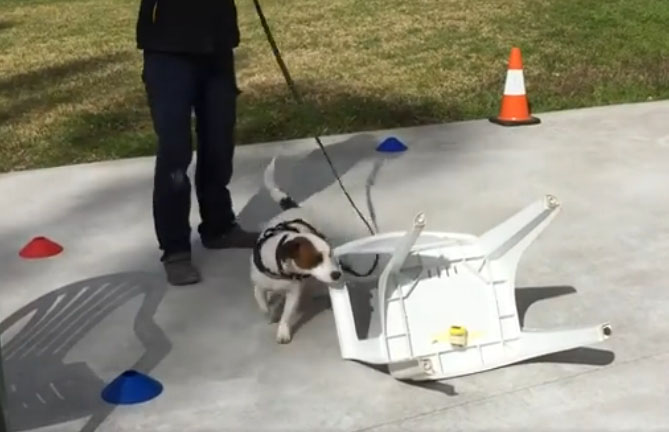
Training “Boston” the Jack Russell for Nose Work
Members of WIRES are now interested in training their dog to help find injured sick and orphaned wombats.
how you can help
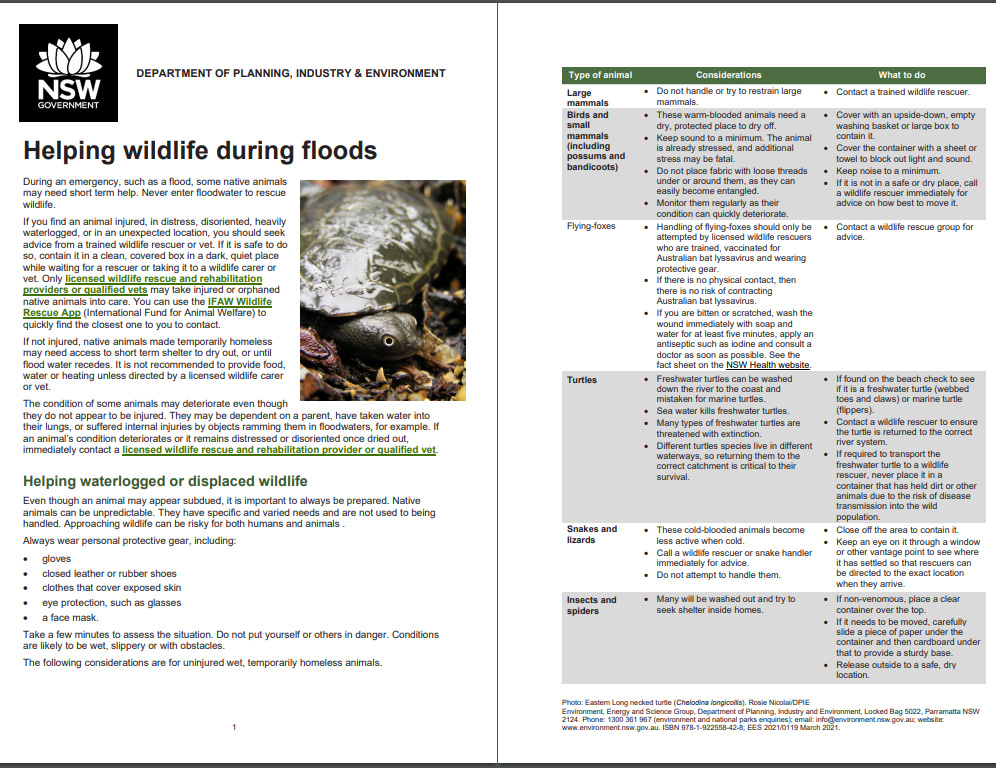
Helping Wildlife during Floods
Here is some useful information on how to help wildlife in distress during a flood disaster.
Please do not put your own safety at risk. If you need assistance please call your local wildlife rescue or veterinary clinic.
perspectives from a vet
When to use anti-inflamatories
When wildlife is injured, we often have to deliberate whether to use anti-inflammatories or not.
Inflammation is the second stage of healing and begins right after the injury when the wounded blood vessels leak transudate (water, salt and protein) causing localised swelling.
SAVING WILDLIFE
A Hospital for Wombats
Roz and Kev Holme run Cedar Creek Wombat Rescue Inc and Hospital to care for sick and injured wombats. Roz describes the specific issues that wombats face in the wild and how the hospital helps those most in need of care.
THANKS TO TASMANIA WILDLIFE
Ever seen a Wombat Gate?
This one was installed by Tas Wildlife to keep stock in and wallabies out, while letting wombats and echidnas come and go.
Check out just some of the creatures who used it over three weeks
OTHER WILDLIFE INITIATIVES
Platypus Conservation
The platypus is one of the world’s most remarkable animals.
The Australian Platypus Conservancy is working hard to unlock some of the key scientific mysteries which still surround the species, and also conducts a wide range of conservation programs and environmental education initiatives.
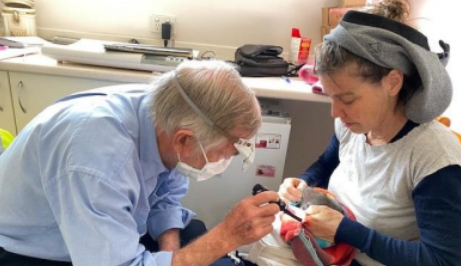
Dr Howard Ralph - Southern Cross Wildlife Care
When people come to grief from a car accidents with terrible injuries we have the privilege and comfort of pain relief such as morphine so the brain tells the body that everything is okay which is an essential part of the healing process.
Without pain and stress management, we’re compromised. We also have the privilege of knowing a safe and beautiful person who comes to us from the paramedic team and then off we go to the security of a Hospital.
Wombats and Wildlife have nothing of that. They’re often on the side of the road suffering unimaginable pain and stress. Not only that even if we take them into care, there’s more pronounced stress from the perception of being captured by potential predators.
We must lift the game things must change. Native animals should have a right to pain and stress management even though the system fails them through regulation.
We understand the regulation because people can abuse restricted drugs. But they are essential for the animal survival.
Things have got to change.
Vets and Wildlife treaters need to be empowered.
Hands-on Assistance
Hands-on skills would be also greatly appreciated such as construction skills (e.g. building pens), technology (e.g. making cards, sharing information), the arts (e.g. photography, film making), tailoring (e.g. sewing animal bags, making burrow flaps, making items for sale), domestic duties (manning stalls), animal husbandry (cleaning enclosures), conservation work, marketing, as well as work on the field.
Because of licensing regulations and duty of care, we need interested persons to have working with children accreditation, character references and to demonstrate a willingness to acquire new skills.